
en
Wendell Berry
es
- 3
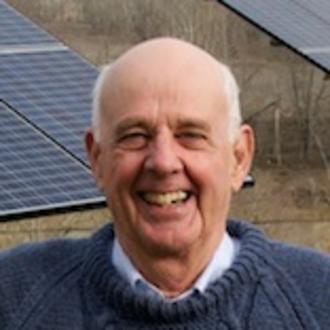
Wendell Berry was an American novelist, poet, and essayist. He wrote extensively about agriculture and rural life. He was best known for The Unsettling of America (1977). He also received the National Humanities Medal in 2010.
Berry was born on 5 August 1934 in Henry County, Kentucky. His parents were Virginia Erdman and attorney John Marshall Berry. His family had farmed the same land for seven generations. He attended the University of Kentucky for his undergraduate studies.
Berry completed his Master of Arts at the University of Kentucky. He met fellow Kentucky writer Gurney Norman there in 1956. In 1957, he married Tanya Amyx. The following year, he attended Stanford University's creative writing programme.
At Stanford, Berry studied under Wallace Stegner as a fellow. His seminar included writers Larry McMurtry and Ken Kesey. Robert Stone and Ernest Gaines also studied alongside him. By age twenty-eight, Berry held a professorship at New York University.
Berry left New York after just two years there. He returned to Henry County, Kentucky, in 1965. He later described this choice in his essay A Native Hill. He wrote that the place had become "mine by choice."
Berry settled permanently in Port Royal, Kentucky. He farmed the land while continuing to write. His work explored agriculture, land ethics, and community life. He became known as a critic of industrial farming practices.
In 1977, Berry published The Unsettling of America. The book examined the cultural costs of large-scale agribusiness. It became one of his most widely read works. He followed it with The Gift of Good Land in 1981.
Berry also wrote extensively in fiction and poetry. His novel Jayber Crow explored small-town Kentucky life. He published numerous poetry collections throughout his career. Entries remains among his best-known collections of verse.
Berry was active in various political causes throughout his life. He opposed the Vietnam War during the 1960s. He later campaigned against mountaintop removal coal mining. He also opposed capital punishment throughout his public life.
In 2010, President Barack Obama awarded Berry the National Humanities Medal. The ceremony took place at the White House in 2011. Berry's writing had by then earned wide critical recognition.
In 2020, Berry and his wife filed a lawsuit concerning a university mural. The case involved a Depression-era fresco depicting Lexington's history. Berry had earlier defended the artwork as historically honest. He wrote, "Black people did work in tobacco fields."
Berry continued writing and farming into his final years. He died on 31 August 2026 at his home in Port Royal.
Berry was born on 5 August 1934 in Henry County, Kentucky. His parents were Virginia Erdman and attorney John Marshall Berry. His family had farmed the same land for seven generations. He attended the University of Kentucky for his undergraduate studies.
Berry completed his Master of Arts at the University of Kentucky. He met fellow Kentucky writer Gurney Norman there in 1956. In 1957, he married Tanya Amyx. The following year, he attended Stanford University's creative writing programme.
At Stanford, Berry studied under Wallace Stegner as a fellow. His seminar included writers Larry McMurtry and Ken Kesey. Robert Stone and Ernest Gaines also studied alongside him. By age twenty-eight, Berry held a professorship at New York University.
Berry left New York after just two years there. He returned to Henry County, Kentucky, in 1965. He later described this choice in his essay A Native Hill. He wrote that the place had become "mine by choice."
Berry settled permanently in Port Royal, Kentucky. He farmed the land while continuing to write. His work explored agriculture, land ethics, and community life. He became known as a critic of industrial farming practices.
In 1977, Berry published The Unsettling of America. The book examined the cultural costs of large-scale agribusiness. It became one of his most widely read works. He followed it with The Gift of Good Land in 1981.
Berry also wrote extensively in fiction and poetry. His novel Jayber Crow explored small-town Kentucky life. He published numerous poetry collections throughout his career. Entries remains among his best-known collections of verse.
Berry was active in various political causes throughout his life. He opposed the Vietnam War during the 1960s. He later campaigned against mountaintop removal coal mining. He also opposed capital punishment throughout his public life.
In 2010, President Barack Obama awarded Berry the National Humanities Medal. The ceremony took place at the White House in 2011. Berry's writing had by then earned wide critical recognition.
In 2020, Berry and his wife filed a lawsuit concerning a university mural. The case involved a Depression-era fresco depicting Lexington's history. Berry had earlier defended the artwork as historically honest. He wrote, "Black people did work in tobacco fields."
Berry continued writing and farming into his final years. He died on 31 August 2026 at his home in Port Royal.
years of life: 5 August 1934 – 31 August 2026
Books
- unavailable
- unavailable
- unavailable
Audiobooks
- unavailable
- unavailable
- unavailable
fb2epub
Drag & drop your files
(not more than 5 at once)